
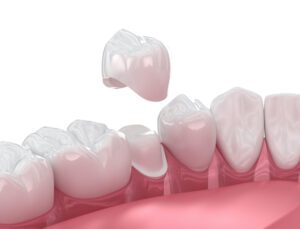
A dental crown is designed to protect and strengthen a damaged tooth, so it can be alarming when one suddenly comes loose or falls out. While this situation is rarely an emergency, knowing how to respond calmly and correctly can help prevent further damage and discomfort. Understanding the right steps to take will also make it easier for your dentist to restore the crown successfully.
Stay Calm and Assess the Situation
When a crown falls off, the first thing to do is stay calm. Panic can lead to rushed decisions that may harm the tooth or crown. Gently rinse your mouth with warm water to clear away any debris and check whether the crown is intact. In many cases, the crown itself is not damaged and can be reused, which is good news both for your comfort and your wallet.
Take a look at the exposed tooth as well. If it feels sensitive to air or temperature, that is normal, as the crown was acting as a protective barrier. Try not to touch the tooth excessively with your fingers or tongue, as this can increase irritation.
Protect the Tooth and the Crown
If you have the crown, carefully remove it from your mouth and rinse it with water. Avoid using soap or chemicals to clean it. Place the crown somewhere safe, such as a small container, so it does not get lost or damaged. The exposed tooth should be protected as much as possible until you can see your dentist in Arlington Heights. Try to avoid chewing on that side of your mouth. If the tooth has sharp edges, you can use dental wax or sugar-free chewing gum to cover the area temporarily and prevent it from irritating your tongue or cheek.
Manage Discomfort and Sensitivity
It is common to experience some sensitivity after a crown falls off, especially to hot, cold, or sweet foods. Stick to soft foods and lukewarm drinks to minimize discomfort. Over-the-counter pain relievers can be used if needed, as long as they are taken according to the instructions. Avoid very sticky or hard foods, as these can worsen sensitivity or damage the exposed tooth. Keeping the area clean by gently brushing and rinsing will also help prevent irritation and infection.
Avoid DIY Fixes
It may be tempting to glue the crown back on with household adhesive, but this should be avoided. Non-dental glues can be toxic and may damage both the crown and the tooth. Some pharmacies sell temporary dental cement, which can be used as a short-term solution if you are unable to see a dentist right away. Even then, this should only be considered a temporary measure and not a replacement for professional care.
Contact Your Dentist Promptly
As soon as possible, contact your dentist to explain what happened and schedule an appointment. In many cases, a crown that has fallen off can be cleaned and re-cemented, especially if it was removed intact and the tooth underneath is healthy. Delaying treatment increases the risk of decay, shifting teeth, or damage to the exposed tooth structure. Be prepared to describe any pain or sensitivity you are experiencing, as this information helps your dentist decide the best course of action.
Preventing Future Crown Problems
Once your crown is back in place, it is helpful to understand why it fell off. Crowns can loosen due to decay, wear of the cement, teeth grinding, or biting down on hard foods. Maintaining good oral hygiene, attending regular dental checkups, and avoiding habits like chewing ice can help extend the life of your crown.
Dental Crown Care in Arlington Heights, IL
At AH Smiles, we are dedicated to helping you preserve your natural tooth structure. If you have excessive decay or damage, a dental crown could protect your smile and bite. If your crown loosens or falls off, don’t hesitate to reach out. Contact our office today to schedule a consultation and get the treatment you need.