
Restorative Dentistry Arlington Heights, IL

Restorative dentistry can be essential for many patients to maintain a healthy, functional smile. Treatments designed to repair damaged and decayed teeth, replace missing teeth, and address bite problems enable patients to enjoy the best quality of life and feel confident in both social and professional interactions.

Dr. Brent Engelberg, a dentist in Arlington Heights, IL, has extensive experience in restorative dentistry. He may be able to help you restore your teeth to full function by developing a personalized treatment plan tailored to your dental health and aesthetic goals.
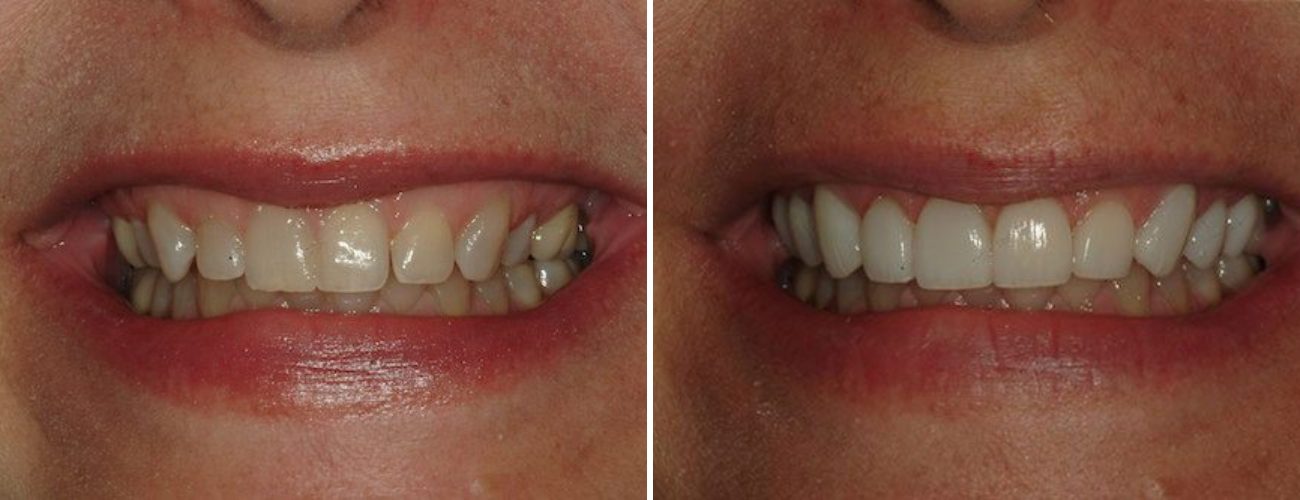
During a dental exam and consultation, Dr. Engelberg will thoroughly evaluate your dental health and discuss your personal concerns and expected results. Restoring your smile will not only benefit your dental health but also support overall physical health and well-being. The state of your dental health affects overall health, and scientific studies have consistently shown the connection between poor oral health and an increased risk for cardiovascular and systemic diseases.

Dental patient before and after restorative dentistry

Dental patient before and after restorative dentistry at AH Smiles.

Restorative Dentistry in Arlington Heights, IL

When you have a damaged tooth, whether it’s cracked, chipped, or decayed, getting treatment quickly is important. If left untreated, even small damage can allow bacteria to reach the sensitive inner parts of your tooth. This often leads to painful cavities, infections, and in serious cases, tooth loss. The good news is we have several ways to fix damaged teeth. Dr. Engelberg can do everything from simple tooth-colored bonding to strong dental crowns that cover and protect the entire tooth.

Cavities form when your tooth enamel gets weak. That can happen from injury or from not keeping your teeth clean enough. You might notice your tooth feels sensitive to hot or cold foods, or you may get occasional toothaches. We can fix these problems with natural-looking fillings made from metal-free materials that match your tooth color.

If decay reaches deep inside your tooth where the nerves live, it can cause a serious infection. Without treatment, the infection could spread, and you might lose the tooth. That’s why we offer root canal treatment. The procedure removes the infected tissue while saving your natural tooth.

We know you want your repaired teeth to look as natural as possible. That’s why we use tooth-colored materials for nearly all our treatments, from fillings to porcelain crowns and veneers. Porcelain does a great job matching your natural tooth color and shape. Our goal is to give you a healthy smile that looks completely natural. Only you and our dental team will know which teeth have been treated. With proper care, these restorations can keep your smile strong and beautiful for many years.

Dr. Engelberg may recommend one of these restorative dental procedures to replace or repair your teeth:

Patient Review

"The entire team makes going to the dentist as enjoyable as possible. This is by far the best dental practice I have ever been to, and Dr. Engelberg is big reason. He is highly personable, takes time to listen to figure out what the dental problems may be, and recommends the fix that is in the best interest of his patients. Dr. Engelberg is highly regarded in the dental community in the north shore, and receives glowing accolades from any other dental professionals he has needed to refer me to, such as an oral surgeon and endodontist."Sean C.

Restorative Dentistry FAQs

My teeth look shorter than they used to. Is that normal aging, or is something wrong?

Some tooth wear is normal as we age, but accelerated wear is often a sign of bruxism (teeth grinding), acid erosion (from GERD, acid reflux, or diet), or an out-of-balance bite. If you have noticed that your teeth look shorter, have developed tiny cracks, or feel sensitive, it’s worth having Dr. Engelberg evaluate your bite. Catching the cause early can prevent more extensive damage.

Do I need crowns on all of my worn teeth, or are there less invasive options?

Not every worn tooth needs a crown. For mild to moderate wear, Dr. Engelberg often uses less invasive options like:

  • Bonding to add length back to a worn front tooth
  • Composite onlays that cover only the chewing surface of a back tooth
  • Night guards to stop the grinding that is causing the wear in the first place

Crowns are typically reserved for teeth that are significantly weakened or have large existing fillings. Dr. Engelberg takes a conservative approach and will always start with the least invasive option that gives you a stable, lasting result.

I grind my teeth at night. Can anything be done besides a night guard?

A custom night guard is the most effective way to protect your teeth from further wear, but Dr. Engelberg also looks at why you are grinding. Often, bruxism is linked to an unstable bite. In some cases, adjusting the biting surfaces of a few teeth or using clear aligners to improve your bite can reduce grinding over time. A night guard is an excellent first step, but we don’t stop there if there is an underlying cause.

Patient of Dr. Engelberg happy after restorative dental care

My front teeth are worn and look uneven. Can you fix them without crowns?

Yes. For worn front teeth, bonding or minimal-prep veneers can restore length and shape without removing significant tooth structure. Dr. Engelberg will assess how much enamel remains and recommend the most conservative option that gives you a natural, durable result. Many patients are surprised to learn they don’t need crowns on every worn tooth.

How do you know if wear is being caused by grinding versus acid erosion?

This is where Dr. Engelberg’s advanced training makes a difference. Grinding typically wears teeth flat, often in a smooth, even pattern. Acid erosion (from GERD, frequent vomiting, or acidic foods) tends to hollow out the back teeth and make front teeth look translucent at the edges. During your exam, Dr. Engelberg can identify the pattern and recommend the right treatment, whether that is a night guard, dietary changes, a referral to a gastroenterologist, or restorative work.

Will insurance cover restorative dentistry treatments?

Some comprehensive insurance plans will cover a portion of restorative dental treatment. Major restorative care is often in the third tier or class for dental insurance companies. We will work with you to determine if your insurance covers part of the treatment.

What are my options to replace multiple missing teeth?

You may be a candidate for a bridge, partial denture, or complete denture if you have multiple missing teeth. However, this depends on how many teeth are missing and where they are in your mouth.

If you have multiple consecutive missing teeth, we recommend a dental bridge. A partial denture can replace multiple lost teeth in different parts of the smile. If you lose all teeth in the upper and lower tooth arches, you will require a complete denture.

Can you whiten restorative treatments?

No, you cannot whiten crowns, bridges, or dentures. We can replace damaged and discolored restorations. However, our porcelain or ceramic materials used for these restorations don’t respond to whitening treatments. When we provide restorations, we color-match them to your desired shade.

Can I get restorative dental care if I have a cavity?

Yes, depending on the extent of your infection, we can provide a root canal or extraction if you have a cavity. Treating the cavity first will ensure you are healthy enough for restorative treatment.

Are dental restorations removable?

Some traditional restorations, including dentures, are removable. However, we prefer dental implants to secure bridges, single crowns, or dentures. Restorations like dental crowns use dental cement to stay in place. Fixed restorations for missing teeth that use implants function like natural teeth and last longer than removable options.

Schedule A Dental Exam & Consultation

The first step towards restoring your natural smile is a consultation with Dr. Engelberg at Arlington Heights Smiles. We serve many local communities, including Deerfield, Long GroveNorthbrook, Arlington Heights, Buffalo Grove, and other Chicago areas.

A consultation lets you learn more about restorative dental treatments and what is best suited to helping you achieve your goals. Restoring a comfortable, functional smile will provide lasting benefits across all aspects of your life. Call our office at (847) 230-9703 or request an appointment online, and we will contact you shortly.