
Losing a tooth may feel like a minor inconvenience. You adjust how you chew. You smile a little differently. Life goes on. But leaving a gap in your smile doesn’t just affect appearance. It sets off a chain reaction that can impact your oral health, your jaw, and even your overall well-being. And the consequences of a missing tooth happen slowly, so you might not notice them until they’ve become significant problems.
Let’s walk through what happens when you leave a missing tooth untreated, and why replacing it matters more than you might think.
The Shifting Problem
When a tooth goes missing, the teeth around it start to move. It’s simple physics. There’s suddenly extra space in your mouth. The teeth adjacent to the gap lean into that open space. The tooth opposite the gap starts to drift upward or downward to fill the void.
This shifting changes your bite. Your teeth no longer meet the way they should. That puts uneven pressure on certain teeth, which can cause them to wear down faster, become sensitive, or even fracture. It can also lead to jaw pain and clicking because your bite is out of alignment.
Bone Loss You Can’t See
When a tooth is gone, the bone that used to support that tooth starts to shrink. Your jawbone needs the stimulation of chewing to maintain its density. Without that stimulation, the bone resorbs or melts away.
This bone loss doesn’t just affect the area where the tooth is missing. It can spread, weakening the bone around neighboring teeth. Over time, you can end up with a sunken appearance in your face because the bone is no longer supporting your cheeks and lips the way it used to.
And once bone is lost, it’s hard to get back. Replacing a tooth early preserves the bone. Waiting too long can make replacement more complicated.
The Hidden Strain on Other Teeth
Missing a tooth puts extra work on the teeth you have left. If you’re missing a tooth on one side, you probably chew more on the other side. That side takes on double the workload. Over time, those teeth wear down faster than they should.
Your remaining teeth also have to do more work when you speak and even when you swallow. That extra strain adds up over the years.
The Impact on Your Smile
This one is more obvious, but it’s still worth mentioning. A gap in your smile changes how you look when you talk, laugh, or eat. For many people, that affects confidence. You might find yourself covering your mouth when you smile or avoiding photos.
And because your teeth continue to shift, the gap often gets wider over time. What starts as a single missing tooth can become a bigger cosmetic concern.
The Chewing Problem
Teeth work together as a team. Each tooth has a job. When one is missing, the team doesn’t function as well. You might find yourself avoiding certain foods, like apples, corn on the cob, or steak. You might chew more slowly or favor one side of your mouth.
Over time, that can affect your nutrition. If you’re avoiding healthy foods because they’re hard to chew, you might not be getting the nutrients your body needs.
Restore Your Bite Today
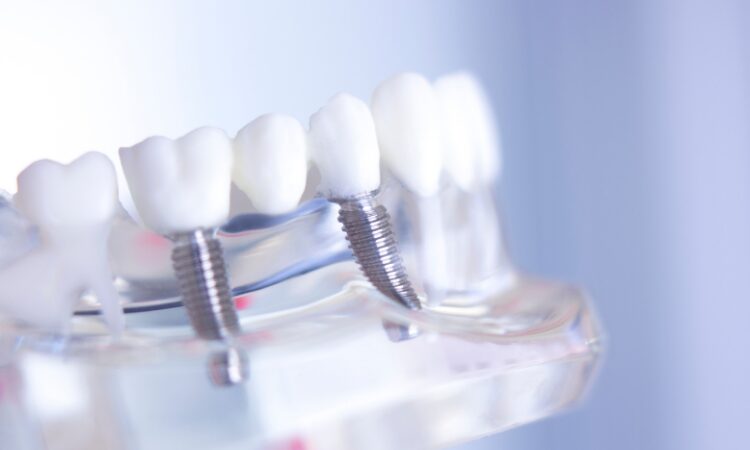
We understand that replacing a missing tooth is an investment of time and money. But leaving a gap isn’t a neutral choice. It’s a choice with consequences that accumulate over time. And there are solutions that work. Dental implants feel and function like natural teeth. Bridges could restore your smile and your bite. Implant-supported dentures give you stability you can count on.
The best time to replace a missing tooth is as soon as possible. The second best time is now.
Our team at AH Smiles serves patients from Arlington Heights, Buffalo Grove, Long Grove, Deerfield, and Northbrook. If you’ve been living with a gap in your smile, give us a call. We’ll talk about your options and help you find a solution that fits your life.