
Teeth grinding, also known as bruxism, is a common condition that can lead to serious dental and health issues if left untreated. It often occurs unconsciously, either while you’re awake or during sleep, and can be triggered by a variety of factors such as stress, misaligned teeth, or lifestyle habits. Fortunately, there are several effective strategies to help prevent and manage this condition before it causes lasting damage.
Understand the Root Cause
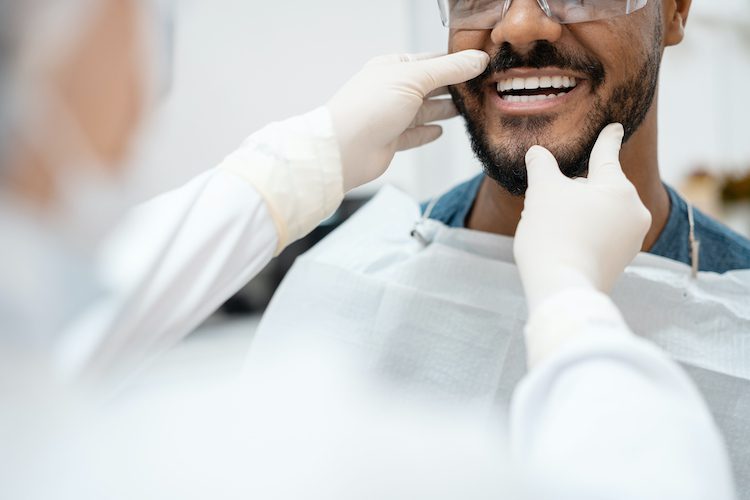
The first step in preventing teeth grinding is identifying what’s causing it. For many people, stress and anxiety play a major role. Emotional tension often finds an outlet in physical habits like clenching the jaw or grinding teeth. In other cases, misaligned teeth, an abnormal bite, or even certain medications can be the culprit. Visiting a dentist or a medical professional can help uncover the specific cause in your situation and point you toward the most appropriate form of treatment.
Practice Stress Reduction Techniques
Since stress is one of the primary triggers of bruxism, finding healthy ways to manage stress can make a significant difference. Regular exercise, meditation, deep breathing exercises, or even simply taking time each day to relax can help reduce the tension that leads to grinding. Establishing a calming nighttime routine is especially important if you grind your teeth while sleeping. Try to disconnect from electronic devices before bed, dim the lights, and engage in relaxing activities like reading or taking a warm bath.
Pay Attention to Jaw Activity
Becoming aware of your jaw position during the day can help break the habit of clenching. Your teeth should only touch lightly when you’re chewing or speaking. At rest, your lips should be closed but your teeth should not be in contact. Make a conscious effort to check in with yourself periodically. If you notice your jaw is tense or your teeth are clenched, take a moment to relax your muscles. Placing your tongue gently between your teeth can serve as a reminder not to grind or clench.
Avoid Stimulants and Alcohol
Certain substances can exacerbate teeth grinding, especially when consumed later in the day. Caffeine, found in coffee, tea, chocolate, and many sodas, can increase muscle activity and stress, making nighttime grinding more likely. Alcohol is another common trigger, as it can disrupt sleep patterns and increase the likelihood of grinding episodes during the night. Reducing or eliminating these substances from your daily routine may significantly improve your symptoms.
Protect Your Teeth at Night
If nighttime grinding is a problem, a custom-fitted mouthguard from your dentist can offer effective protection. These devices, worn while you sleep, act as a barrier between your upper and lower teeth, reducing the risk of damage and easing muscle tension. While over-the-counter mouthguards are available, they are often less effective and less comfortable than those professionally made to fit your mouth.
Schedule Regular Dental Visits
Routine dental check-ups are essential for catching the signs of teeth grinding early. Dentists can spot wear patterns on your teeth, identify jaw discomfort, or observe other symptoms before they become severe. With early detection, you and your dentist can work together to develop a personalized prevention plan that addresses your unique situation.
Teeth Grinding Treatment in Arlington Heights, IL
At AH Smiles, we are dedicated to preserving your oral health. If left untreated, teeth grinding could lead to pain, damage, and even tooth loss. With the proper preventative measures, you could keep your smile and bite healthy. Contact our office today to schedule a consultation and learn more about your treatment options.