
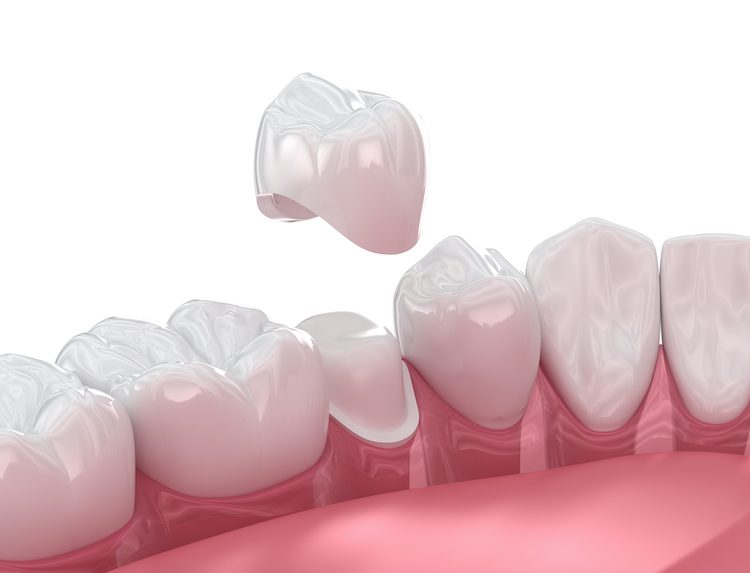
A dental crown is one of the most common restorative procedures in dentistry. They are designed to strengthen damaged teeth and improve their appearance. Whether you’re getting a crown for a cracked tooth, after a root canal, or for cosmetic reasons, understanding the process can help ease any anxiety and prepare you for what’s ahead.
Initial Consultation and Diagnosis
The process typically begins with a dental examination. During this visit, your dentist will evaluate the condition of your tooth to determine if a crown is the best treatment option. X-rays may be taken to assess the roots of the tooth and the surrounding bone. If there’s extensive decay, infection, or risk of nerve damage, you might need additional treatment, such as a root canal, before proceeding with the crown.
Tooth Preparation
Once the treatment plan is in place, the next step is preparing the tooth for the crown. This involves reshaping the tooth by filing it down to make space for the crown to fit over it properly. If a significant portion of the tooth is missing due to damage or decay, your dentist may first build up the tooth with filling material to provide a solid foundation.
This step is typically done under local anesthesia, so you should feel little to no discomfort. The amount of tooth that needs to be removed depends on the type of crown you’re receiving. Metal crowns, for example, are thinner and require less removal than porcelain or ceramic ones.
Taking Impressions
After the tooth is shaped, your dentist will take an impression of your prepared tooth and the surrounding teeth. These impressions are crucial for creating a crown that fits your bite perfectly. The impressions are usually sent to a dental lab, where skilled technicians will craft your permanent crown. In some modern offices, digital scanning technology replaces traditional impression materials, providing a faster and more comfortable experience. This scan is sent directly to the lab or used with in-office milling machines for same-day crowns.
Temporary Crown Placement
While waiting for your permanent crown, your dentist will place a temporary crown over your prepared tooth to protect it. Temporary crowns are typically made of acrylic or resin. They aren’t as durable as the final version, so you’ll need to take care when eating or brushing during this period.
You may be advised to avoid sticky or hard foods and to chew on the opposite side of your mouth. Temporary crowns can feel a bit different in your bite or cause slight sensitivity. However, they serve an important role in maintaining your dental function and aesthetics until the permanent crown is ready.
Permanent Crown Placement
Once your permanent crown is ready, usually within two to three weeks, you’ll return to the dentist to have it placed. First, the temporary crown is removed, and your dentist will check the fit and color of the new crown. Adjustments may be made to ensure it fits comfortably and aligns with your bite.
If everything looks and feels right, the crown is permanently cemented into place. You’ll be given instructions on how to care for it and what to expect in the following days. It’s normal to experience some sensitivity to hot or cold after placement, but this typically subsides quickly.
Life After a Dental Crown
With proper care, a dental crown can last anywhere from 10 to 15 years, or even longer. Good oral hygiene, including regular brushing, flossing, and dental check-ups, will help ensure the longevity of your crown. Avoiding habits like teeth grinding or chewing on ice can also preserve its integrity.
Dental Crowns in Arlington Heights, IL
At AH Smiles, we are dedicated to preserving your natural tooth structure as much as possible. It’s natural to feel apprehensive before a major appointment, but we are here to help. A dental crown is a fairly routine treatment that could prevent the need for extraction. Contact our office today to schedule a consultation and learn more about restorative dentistry.